Pensamiento Caribe Research Group
Thinking from our shore
Thinking the Caribbean from its territories, struggles, and forms of life
Pensamiento Caribe researches, teaches, archives, and circulates Caribbean thought from the Colombian Caribbean, in relation to the Greater Caribbean.
What it is
Four ways of working the Caribbean
Pensamiento Caribe is a research group, a living archive, a public classroom, and a digital humanities laboratory devoted to the Black, popular, and Indigenous Caribbean.
Research group
Six research lines, seven projects, and an intellectual output of more than fifty pieces.
ActiveLiving archive
The atlas of the Greater Caribbean, the sound cartography of the Black Atlantic, the critical film library, and the commemorative dates.
In progressPublic classroom
Published methodologies, user guides, and open bibliographies. The Eleguá Seedbed as a space for training.
In progressDigital laboratory
Citable corpora with DOI, open data in Zenodo, and visualisations with a declared methodology.
ActiveThe Caribbean as a unit
The Greater Caribbean: a relation of shores
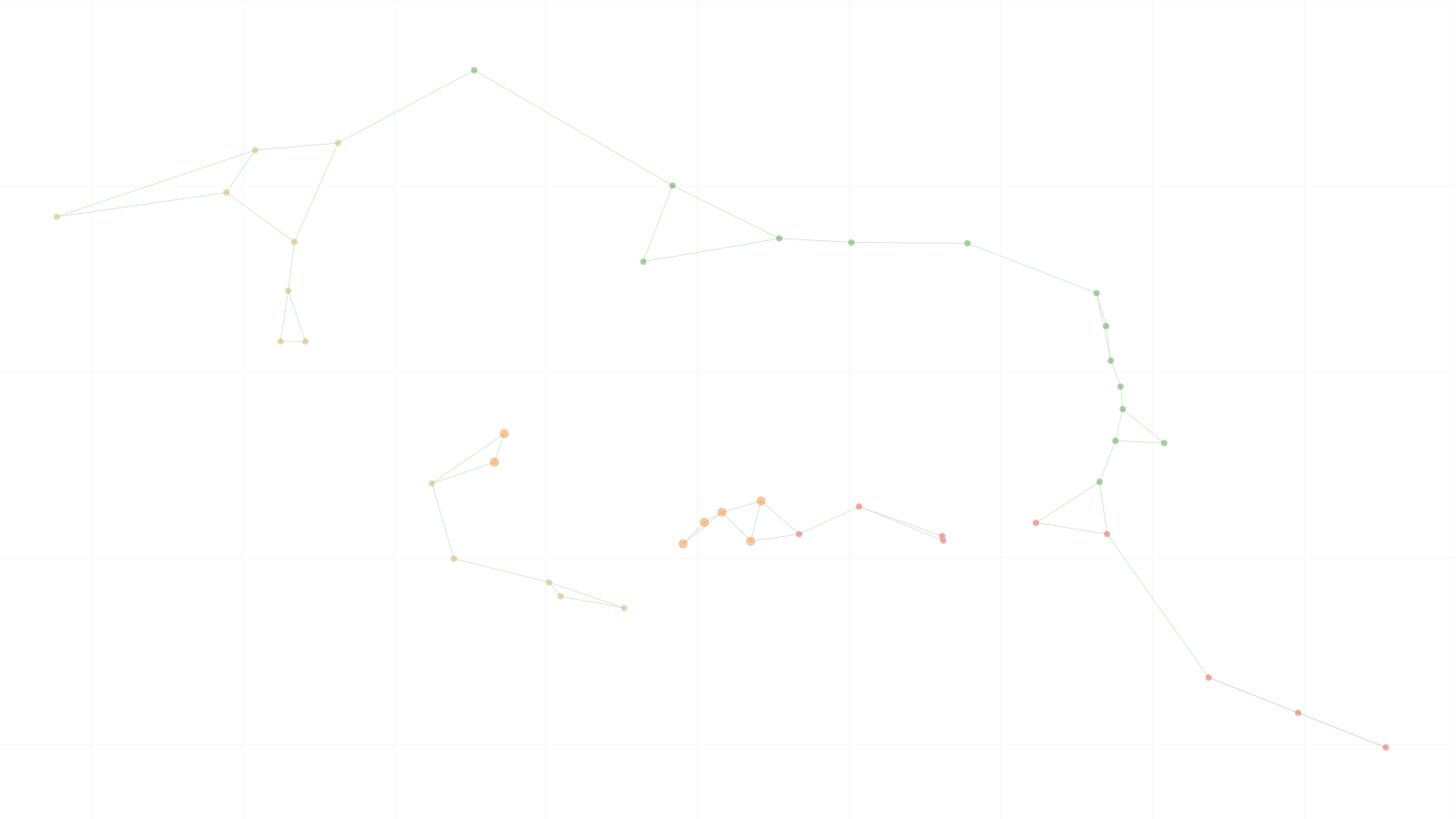
The coastal border that shapes the Caribbean Sea forms a geographic, historical, and political unit. The Colombian Caribbean is one shore of that larger whole: a constellation of territories joined by the sea.
Select a node on the map to see its entry.
Keys to thought
Cultural forms
How to read the map
This map is the territory that our logo inhabits: the region bounded by the Caribbean Sea. Each node is a port, city, or territory of the Greater Caribbean; the layers group regions by their place in the Caribbean unity: archipelagos, continental coasts, the Guianas, and the Gulf. The map draws an archipelagic way of thinking, with Édouard Glissant: islands and shores that relate without merging, a poetics of relation, over a historical sea, with Derek Walcott: «the sea is history», the sea as an archive of the slave trade, the crossings, and the forms of resistance. The Colombian Caribbean appears highlighted as the group's shore of enunciation. Click each point to see its legend: history, popular culture, figures, and keys to thought.
See the 43 nodes as a table
| Region | Nodes |
|---|---|
| Colombian Caribbean | 5 |
| Colombian insular Caribbean | 2 |
| Greater Antilles | 6 |
| Lesser Antilles | 8 |
| Central American Caribbean | 8 |
| Venezuelan Caribbean | 5 |
| Gulf of Mexico | 3 |
| The Guianas | 3 |
| Mexican Caribbean | 2 |
| South-eastern Caribbean | 1 |
Where we think from
A Caribbean that thinks from its own relations
“Thinking from our shore does not mean speaking from the margin, but from a historical position capable of interrogating the center.”
Pensamiento Caribe starts from a conviction: the Caribbean is not a margin but a historical zone where modernity, racialization, violence, creation, and resistance intersect. Researching from the Caribbean means listening to wounded territories, bodies that remember, and forms of thought that have been systematically silenced.
The anthropology of the Caribbean we propose starts from a specific place: the Colombian Caribbean, a shore in tension between Colombia, national anthropology, and the Greater Caribbean.
Read the manifesto →Research
Research lines
Anthropology of the Caribbean
Studies the Caribbean as a historical, cultural, and political formation, attending to its territories, mobilities, memories, inequalities, and forms of life.
See related publications →Afro-Caribbean philosophy
Explores traditions of Black and Afro-Caribbean thought, their critiques of racial modernity, and their ways of imagining freedom, humanity, and world.
See related publications →Critical race theory and antiracism
Analyzes the historical production of race, the contemporary forms of racism, and the intellectual, pedagogical, and political practices of antiracism.
See related publications →Black geographies and territory
Investigates the relations between racialization, space, territory, city, landscape, dispossession, and the production of Black places in the Colombian Caribbean.
See related publications →Racial capitalism, the plantation, and Caribbean modernity
Examines the plantation, racialized labor, accumulation, extractivism, and the historical infrastructures that have shaped Caribbean modernity.
See related publications →Popular cultures and Afro-Caribbean expressions
Studies the expressive, festive, musical, bodily, narrative, and aesthetic forms through which Afro-Caribbean communities produce memory, belonging, social critique, and historical presence.
See related publications →Intercultural health and care
Studies care as a situated practice: the health models of Indigenous and Afro-descendant peoples of the Colombian Caribbean, the social history of nursing, and the tensions between medical and community knowledge.
See related publications →Territory
Research under way
Situated questions, collaborative methodologies, and open outputs.
With Water in Between
Two hundred and three works and four hundred and twenty-nine relations organised by ten cross-cutting phenomena —coloniality, post-plantation, racial capitalism, marronage, creolisation— rather than by national borders.
See the project →With the Sway of the Currents
An interactive map connecting the Greater Caribbean with Africa through music, Blackness, and Pan-Africanism. Twenty-six round-trip routes, from the gumbé that returned to Freetown to the champeta with which Palenque answered.
See the project →Blackness and Monumental Whiteness
On the asymmetry between Blackness and monumental whiteness: what the monument does when it becomes landscape, archive, and institution, and what happens when it changes material and becomes an algorithmic model.
See the project →Black Cartographies of the Magdalena Grande
Participatory research with Black communities in Codazzi, Maicao, and Santa Marta. Social cartography workshops activated collective processes of memory and territorial recognition.
See the project →Classroom in progress
Resources for studying the Caribbean
Material that is published and available today.
Atlas methodology
Inclusion criteria, the corroboration rule, workflow, and the corpus's declared limitations.
Read the methodology →Critical film library
Cinema and documentary for thinking from our shore, each with its entry, country, and reading keys.
Enter the film library →The Ebb · user guide
How to propose a work, trace a current, or corroborate a link within the atlas.
Read the guide →Open corpora
The atlas and sound cartography data, deposited in Zenodo with a persistent identifier.
Consult in Zenodo →Annual gathering
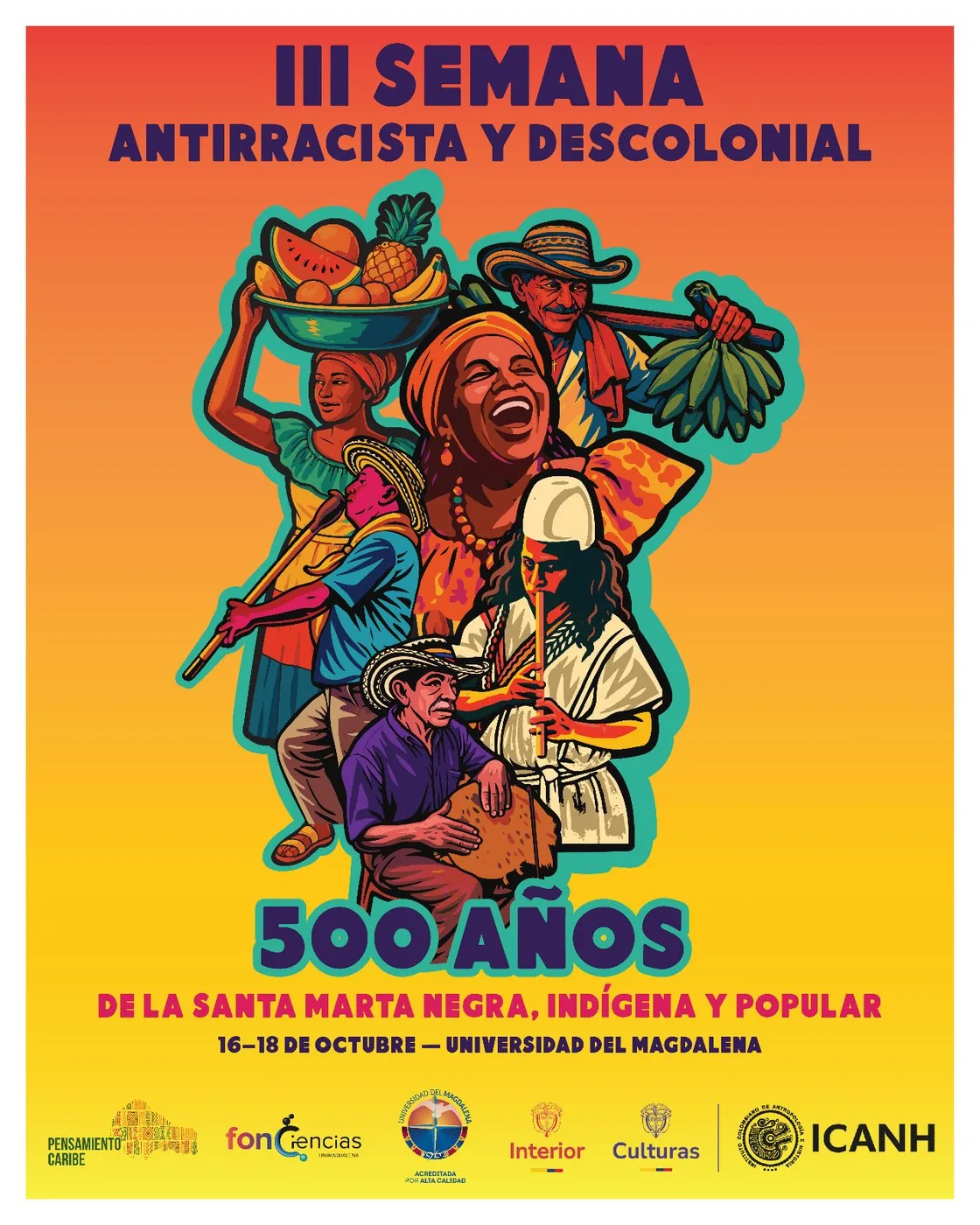
Anti-racist and Decolonial Week
An annual gathering to study the historical roots of racism, share practices of resistance, and build horizons of justice from the Caribbean. Four editions held, with their declaration, programmes, and records.
Columns
Pregón de esquina
Thinking out loud from the street corner, the classroom, the neighbourhood, the archive, and the present moment.
Read the Pregón →Archive
Intellectual output
Fifty-four pieces in the catalogue: books, peer-reviewed articles, chapters, poetry, and press. These are the six most recent.
Gramáticas e iconografías populares: el Picó y la tradición picotera en Santa Marta
Juan Carlos Gómez Blanco
Book chapter · in Raíces, Resistencias y Territorios: 500 años de experiencia afro en Santa Marta · Editorial UnimagdalenaEl Picó en el performance cultural afrocaribeño
Juan Carlos Gómez Blanco
Reflection article · Nueva Revista Colombiana del Folclor No. 34 · Patronato Colombiano de Artes y CienciasEl Club Negro de Colombia
Rosa María Chamorro Cuello
Text · Archivo General de la Nación de Colombia & Ministerio de las Culturas, las Artes y los SaberesLas Estrellas son Negras. Invocación a Arnoldo Palacios en los cien años de su natalicio
Rosa María Chamorro Cuello
Text · Chocó 7 DíasBond
Research made in relation
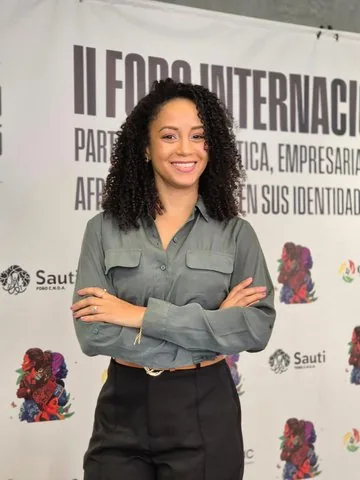
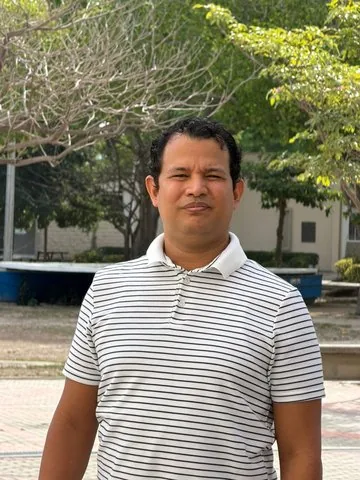
Fourteen researchers, the Eleguá Seedbed, and three allied networks: the CLACSO Working Group on antiracism and Afro-descendance in the Global South, GLEFAS, and Malunga. The work is done with communities, not about them: the social cartography workshops, the neighbourhood memories, and the sound archives come out of collective processes.
Caridad Brito Ballesteros
Deibys Carrasquilla Baza
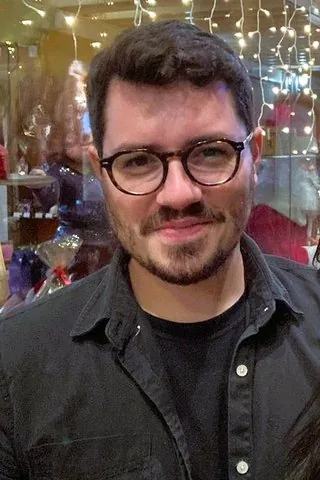
Demetrio Ribeiro De Andrade
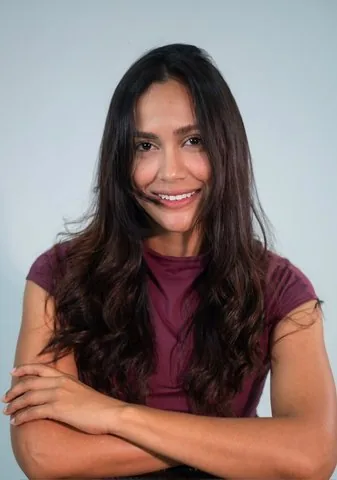
Dakna Davraiskí Alvarado Maestre
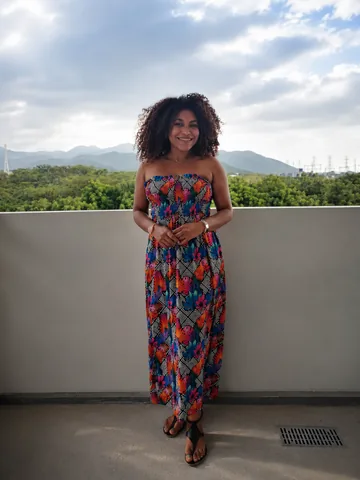
Dayana Granados Hernández
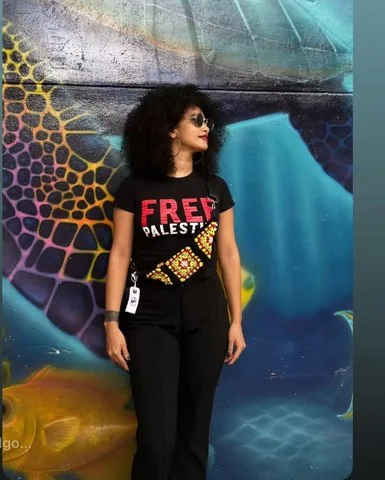
Everleidis Tatiana Dávila Sanabria
Training
Eleguá Research Seedbed
Research training
Support in building situated research projects, with an emphasis on participatory methodologies, critical thought, and territorial ethics.
Critical reading and creation
Spaces for collective reading, theoretical discussion, and research-creation that link academic writing with the arts, film and video, and the orality of the Caribbean.
Situated work and community
Participation in territorial, community, and care processes that link academic training to the realities of the Colombian Caribbean.
“Thinking from our shore means listening to the Caribbean as a living archive, an open wound, and a horizon of political imagination.”
Pensamiento Caribe opens a space to think, research, and critically accompany the lives, territories, and struggles of the Colombian Caribbean.